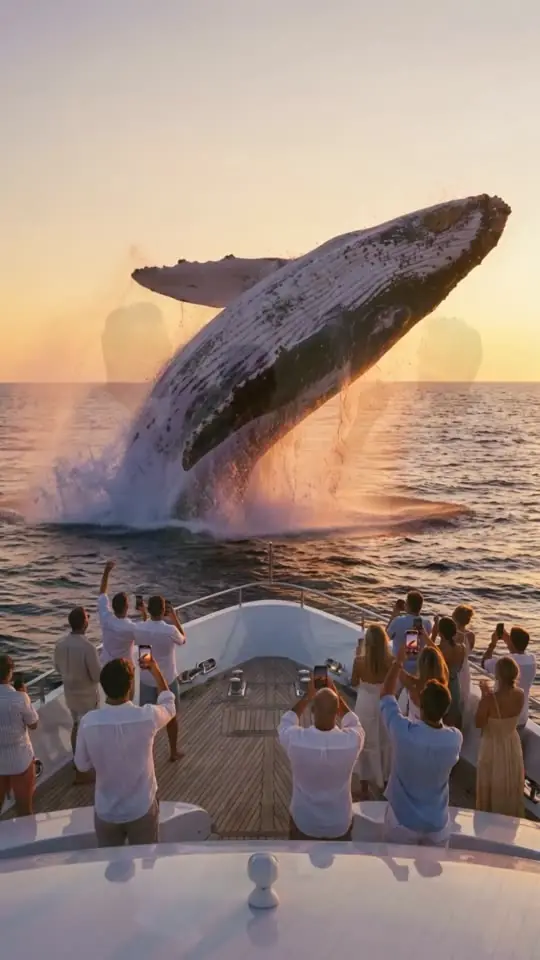

AI video vs a traditional video shoot: cost, time and quality compared
3 November 20264 min readBy Ivory Voltage Studios
A traditional promo video in the UK often costs thousands and takes weeks. AI video can produce cinematic footage in a fraction of the time, but it isn't the right answer for everything. Here's an honest comparison of cost, time and quality in 2026, plus the rules you need to know.
The quick answer
AI video is usually much cheaper and faster for scroll-stopping social content, product mood films and brand characters. A traditional shoot is still the better choice when you need real people, real testimonials or an exact demonstration of a physical product. Many brands now use both.
What a traditional UK video shoot costs in 2026
Costs add up quickly because you're paying for people, kit, locations and time. Indicative UK figures from Whito's 2026 video production cost guide:
| Item | Typical UK cost |
|---|---|
| Freelance videographer | £500–£1,500 per half or full day |
| Full crew (director, camera, sound, lighting) | £1,500–£3,000 a day |
| Talent | £300–£1,000 a day |
| Studio or location | £500–£2,000 a day |
| Scriptwriting | £500–£1,500 |
| Editing | £500–£2,000 |
| Music licensing | £500–£3,000 |
By length, Whito puts a 30–60 second video at around £1,500–£6,000. Production company Shootsta quotes £500–£2,000 per 30–60 second social clip and £8,000–£35,000+ for a brand film from an agency. London typically adds 15–25%, and rush jobs can add 25–50%.
How long a traditional shoot takes
Shootsta's UK production timeline guide puts a typical corporate video at 4–8 weeks: one to two weeks of pre-production, one to two shoot days, then two to four weeks of editing, plus time for your reviews. Brand and promo films are often three to six weeks.
What AI video can do in 2026, and where it still slips
AI video models have improved fast. Kling 3.0, released in February 2026, generates clips of up to 15 seconds with built-in audio. Google's latest Gemini video models generate sound with the picture and can extend scenes, and every Google-generated video carries an invisible SynthID watermark. ByteDance's Seedance 2.0 also creates dialogue and sound alongside video. The landscape changes quickly: OpenAI shut down its Sora app and API in 2026.
The weak spots are real. Runway openly lists the limitations of its own Gen-4.5 model: cause and effect can go wrong, objects can disappear after being hidden, and actions succeed more often than they would in real life. In our own work, keeping a product or character identical from shot to shot, and getting small details like text and hands right, takes careful direction and checking.
That's why good AI video isn't one prompt. It's planned like a shoot: concept, key frames approved first, generation, then editing, sound and captions finished by hand.
Cost and time side by side
| Traditional shoot | AI video | |
|---|---|---|
| Crew, kit, location | Usually needed | Not needed |
| Typical 30–60s cost (UK) | £1,500–£6,000 | Usually a fraction of that |
| Timeline | Often 3–8 weeks | Often days |
| Impossible shots (city flyovers, fantasy worlds) | Expensive or impossible | Achievable |
| Real people and testimonials | Ideal | Not appropriate |
| Exact product demonstrations | Ideal | Needs care |
For comparison, our own published prices start at £175 for a single premium clip and £499 a month for a content package with 8 clips and 12 images.
Labelling AI video: the platform rules and the UK ad rules
- YouTube requires creators to disclose realistic altered or synthetic content. Clearly unrealistic or animated content is exempt, and the label itself doesn't reduce reach.
- TikTok requires creators to label AI-generated content that shows realistic-looking scenes or people, and can label some content automatically.
- Meta (Instagram and Facebook) asks users to disclose photorealistic video or realistic audio that was digitally created or altered.
- UK advertising rules. The Committee of Advertising Practice says there's no blanket legal requirement to disclose AI in ads, but the advertising codes apply however an ad is made. The test is whether people would be misled. A disclaimer won't fix an ad that exaggerates what a product does. The ASA has also warned that AI deepfake celebrity endorsements are likely to breach the code.
What audiences think
Attitudes depend on how AI is used. A YouGov survey of 2,012 UK adults in July 2026 found that most people who'd seen AI-generated actors in ads disliked them, and 94% said companies should disclose them. But people were far more accepting of AI for humour (45%) and background characters (44%) than for product demos (23%) or health claims (6%).
The lesson: use AI for what it does brilliantly, such as cinematic worlds, characters, mascots and mood, and don't use it to fake real customers or exaggerate results.
The best of both: a hybrid approach
Many brands now shoot a small amount of real footage, such as the founder, the team or a real product close-up, and use AI to build the cinematic world around it. It keeps costs down while keeping the authenticity people trust. Find out how we work on our AI video production page.
Frequently asked questions
Is AI video cheaper than a traditional shoot?
Usually, because there's no crew, location or talent to pay. A traditional 30–60 second UK video often costs £1,500–£6,000. You should still budget for scripting, editing and human review.
Do I have to label AI video ads in the UK?
There's no blanket legal duty, but UK advertising rules say you must not mislead people, and TikTok, YouTube and Meta require labels on realistic AI content.
Can AI replace customer testimonials?
No. Testimonials need real customers. Fake endorsements are likely to breach the advertising code and damage trust.
How fast is AI video compared with a shoot?
Traditional corporate videos often take 4–8 weeks. AI video can usually be concepted, approved and delivered in days.
Want this done for you?
Tell us about your business and we'll give you an honest recommendation, with no obligation.
Sources (13)
- Whito: UK video production costs
- Shootsta: corporate video cost UK
- Shootsta: video production timeline UK
- Google AI for Developers: video generation
- Bernama: Kling 3.0 launch
- The Decoder: Runway Gen-4.5
- The Decoder: Sora shutdown
- YouTube Help: disclosing altered or synthetic content
- TikTok: AI-generated content
- Meta: labelling AI-generated images
- ASA/CAP: disclosure of AI in advertising
- ASA: AI and deepfakes
- YouGov: Britons and AI actors in ads
Figures were checked against these sources on 3 November 2026. Prices and rules change, so check the latest before acting. This article is general information, not legal or financial advice.